
How does leadership training improve team results?
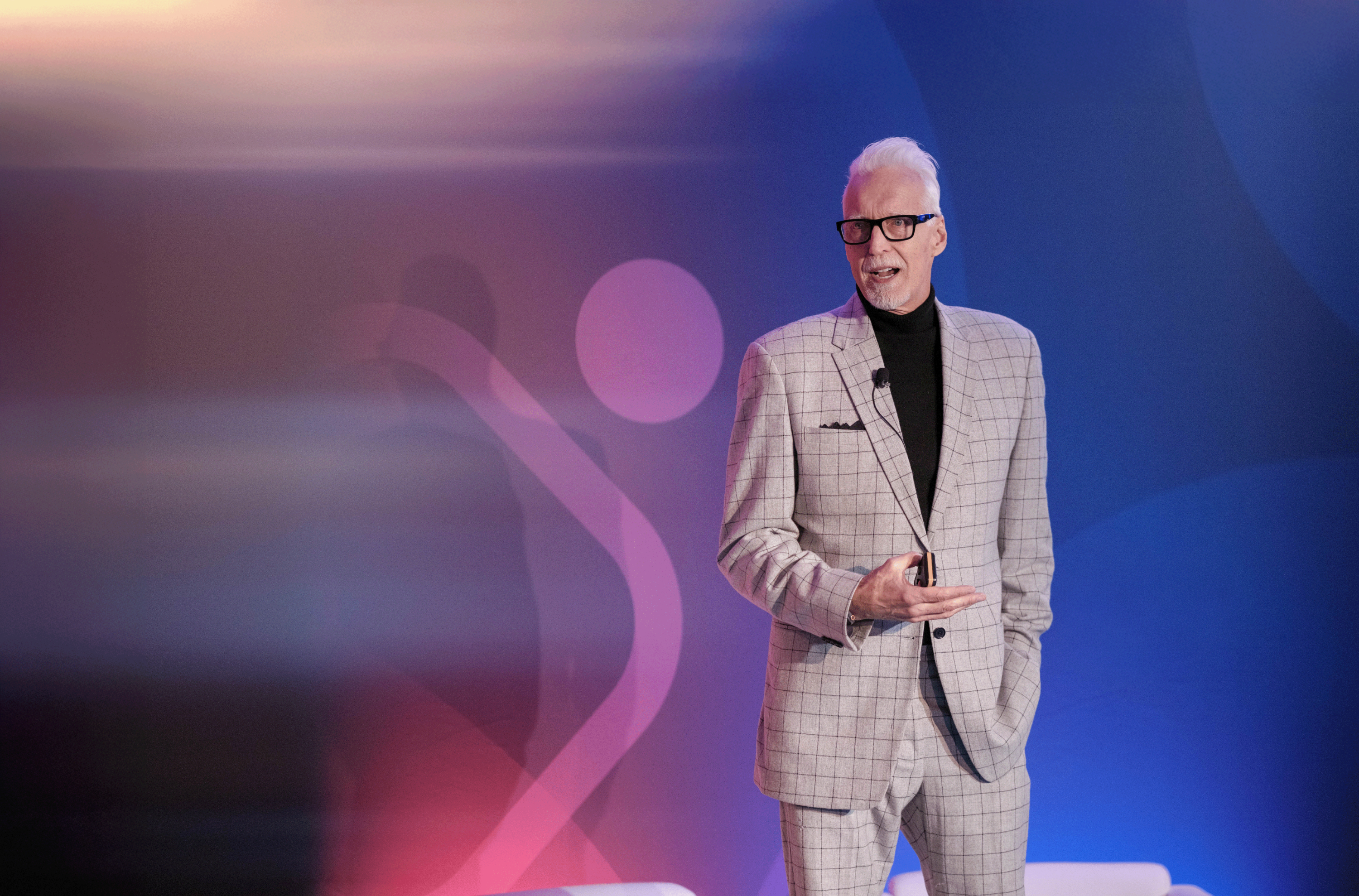
Strong leadership shapes the success of any team. Yet, many managers struggle to unlock their team’s full potential. Leadership training offers practical ways to build skills that directly impact how teams communicate, take responsibility, perform, and grow over time. I want to share how leadership development improves team results by focusing on key areas like communication, accountability, productivity, psychological safety, and long-term performance. Along the way, I’ll include examples and frameworks you can apply right away.
How does leadership training improve team results through better communication?
Clear communication is the foundation of any effective team. Leadership training teaches managers how to listen actively, provide constructive feedback, and tailor their messages to different team members. When leaders communicate well, misunderstandings drop, and collaboration improves.
For example, the Situational Leadership Model encourages leaders to adjust their communication style based on the team member’s competence and confidence. A new employee may need more guidance and detailed instructions, while an experienced team member benefits from more autonomy and open dialogue. Training helps leaders recognize these differences and respond accordingly.
In practice, for the question 'How does leadership training improve team results' a manager who has undergone leadership training might hold weekly check-ins focused on open questions rather than status updates. This invites team members to share challenges and ideas, fostering a culture of transparency.
Leadership training builds accountability that drives results
Accountability means team members own their tasks and outcomes. Leadership training equips managers with tools to set clear expectations and follow up without micromanaging. This balance motivates teams to take responsibility and deliver quality work.
One useful framework is SMART goal setting—making goals Specific, Measurable, Achievable, Relevant, and Time-bound. Training helps leaders craft goals that are clear and realistic, so teams know exactly what success looks like.
For instance, a sales team leader might use leadership training techniques to break down quarterly targets into weekly milestones. By tracking progress regularly and discussing obstacles, the team stays focused and accountable.
Leadership training boosts productivity by improving focus and motivation
Productivity depends on how well a team manages time, resources, and energy. Leadership development teaches managers to identify and remove roadblocks, prioritize tasks, and recognize achievements.
The GROW coaching model (Goal, Reality, Options, Will) is a practical tool leaders learn to guide team members through problem-solving and decision-making. This approach encourages self-reflection and ownership, which increases motivation and output.
Imagine a project manager using GROW coaching to help a developer stuck on a technical issue. Instead of giving direct answers, the manager asks questions that lead the developer to find solutions independently. This builds confidence and speeds up progress.

Psychological safety grows when leaders learn to support and trust their teams
Teams perform best when members feel safe to speak up, share ideas, and admit mistakes without fear of punishment. Leadership training highlights the importance of creating psychological safety by modeling openness and respect.
A practical example is a leader who starts meetings by inviting everyone to share one challenge or learning from the past week. This simple habit signals that all voices matter and mistakes are part of growth.
Leadership training improves long-term team performance through continuous development
Leadership is not a one-time skill but a journey. Training encourages managers to adopt a growth mindset and invest in ongoing learning for themselves and their teams. This mindset leads to sustained improvements rather than quick fixes.
Frameworks like Transformational Leadership emphasize inspiring and developing team members beyond immediate tasks. Leaders trained in this style focus on vision, motivation, and personal growth, which builds stronger, more adaptable teams.
For example, a leader might implement regular development plans for each team member, combining skill training with stretch assignments. Over time, this approach raises the team’s overall capability and readiness for new challenges.


Comments